


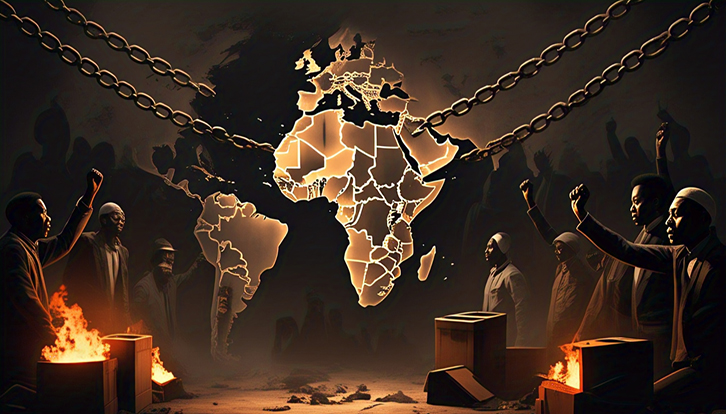
While many of us celebrate the rise of pan-African consciousness, the fall of neocolonial influence, and the growing resistance against Western domination, there’s a hard truth we must also confront: Africans often harm Africa from within. Corruption, greed, and the brutal silencing of opposition aren’t foreign impositions — they’re often local betrayals.
Why Can’t African Democracies Work?
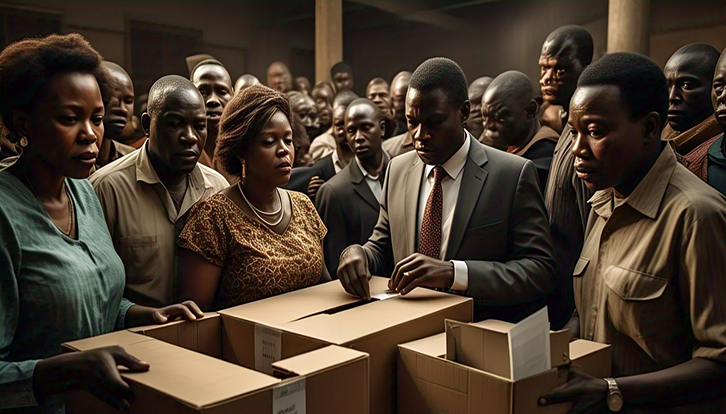 Why is it that fair elections seem almost impossible across many African nations? When opposition gains traction, they’re often disqualified on dubious legal grounds or, worse, imprisoned just before elections. Leaders cling to power like lifelines — rewriting constitutions, rigging votes, and refusing to step down. This isn’t about patriotism; it’s about power at all costs.
The Ivorian Tragedy: Democracy Denied
In Côte d’Ivoire, the 2025 presidential election is already stained. Four major opposition figures have been barred from the ballot. Among them is Tidjane Thiam, a globally respected economist and former CEO of Credit Suisse — the first Black man to head a top-tier FTS 100 company.
Thiam, born in 1962, comes from a deeply political family — his mother is the niece of Félix Houphouët-Boigny, Côte d’Ivoire’s first president. Despite his illustrious career and decision to renounce his French citizenship to run for president, Thiam was disqualified on the grounds that the renunciation came too late. Is this justice, or sabotage?
“My elimination from the electoral list is a sad but eloquent example of Côte d’Ivoire’s drift towards a total absence of democracy.” – Tidjane Thiam
A Game of Power, Not Policy
This isn’t the first time Côte d’Ivoire has weaponized the law to silence dissent. Laurent Gbagbo, the former president who dared to challenge French involvement in domestic politics, was ousted in 2011. After contesting election results, French helicopters bombed his palace under the guise of UN peacekeeping.
Though later acquitted by the International Criminal Court (ICC), Gbagbo remains barred from running. The same fate fell on Charles Blé Goudé, his former Youth Minister, who was also cleared by the ICC but is still politically gagged.
Meanwhile, President Alassane Ouattara, who’s been in power since 2011, continues to manipulate the system — despite the constitutional two-term limit. It’s a mockery of democratic transition.
Is Africa Safe for Africans?
This crisis isn’t limited to Côte d’Ivoire. In Tanzania — often praised as one of Africa’s peaceful gems — opposition leader Tundu Lissu was arrested in April 2025 and charged with treason for advocating electoral reforms. Yes, you read that right: treason for wanting fair elections.
Lissu had called for:
A new democratic constitution
An independent electoral commission
Merit-based public service appointments
Decentralized government to reduce power concentration
These are not crimes; they are the very foundations of democracy. And yet, he was jailed. Human rights organizations have since raised alarms about disappearances, unlawful arrests, and a chilling culture of silence.
The Bitter Irony
Many African leaders rose to power with promises of liberation and reform. Yet today, they mimic the very systems they fought against — centralizing control, criminalizing dissent, and silencing visionaries. Whether in Ivory Coast, Tanzania, or elsewhere, the message is clear: Speak against the regime, and you will pay.
What Are We Fighting For?
We must ask ourselves: Is the goal of African freedom just to replace foreign oppressors with domestic tyrants? Are we building nations, or simply fortresses for the few?
Until we confront the injustice within, we’ll never truly escape the chains of colonialism — because we’ve learned to wear them ourselves.
